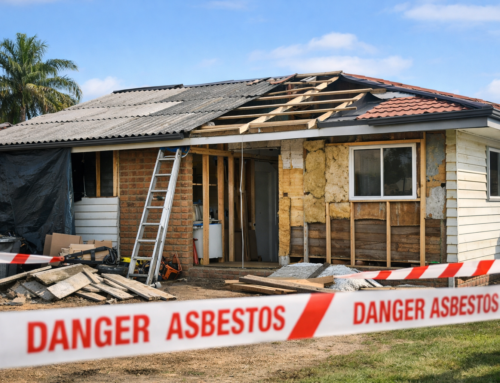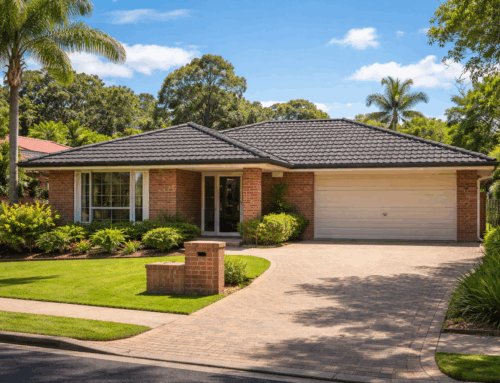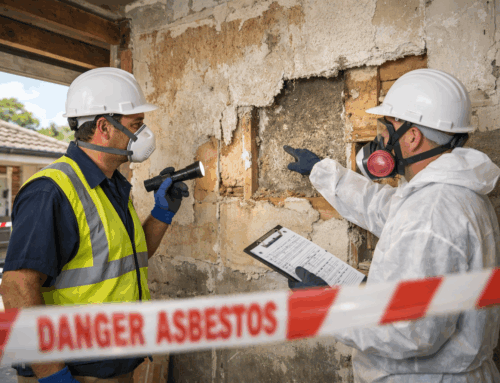
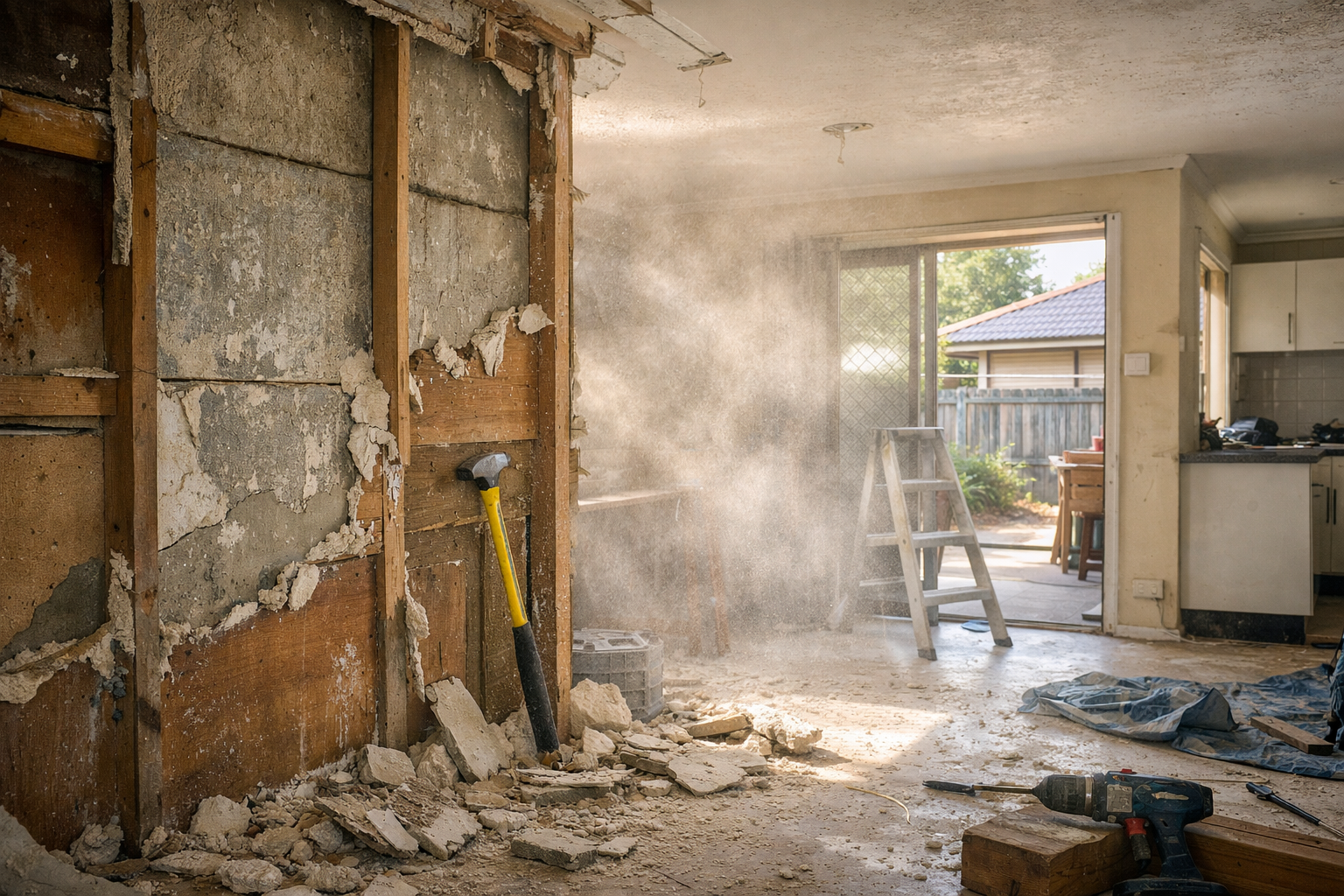
The risk of asbestos exposure in Brisbane homes and commercial premises is increasing due to modern renovation and demolition activities that disturb older building materials that historically contained asbestos.
Worried about asbestos in your home or commercial premises? We can help, because many Brisbane homeowners unknowingly place their family’s well-being at risk through renovation and demolition jobs that release asbestos fibres into the air, increase contamination, and create costly legal and safety issues if the right steps are not taken early.
Brisbane has one of the highest concentrations of pre-1990 homes in Queensland. During that era, asbestos was widely used across Australia in residential, commercial, and industrial construction. It was valued for strength, insulation, and fire resistance. Today, those same materials represent a serious health risk when damaged or disturbed. Demolition and renovation trends, which have focused on cosmetic upgrades, DIY projects, and partial demolition, have quietly increased asbestos exposure across Brisbane, the Sunshine Coast, and the Gold Coast. Understanding where the risks come from and how to manage them is critical for homeowners seeking complete peace of mind.
Brisbane Renovation Trends That Are Quietly Increasing Asbestos Exposure
Renovations are often planned around aesthetics, comfort, and property value. However, many popular renovation trends directly involve cutting, drilling, stripping, or demolition, which are high-risk activities for asbestos exposure when older material is present.
Common renovation trends increasing asbestos risk include:
Each of these activities can disturb bonded or non-friable asbestos and turn it into friable asbestos through mechanical damage. Once asbestos fibres become airborne, they can spread throughout the residential, commercial, or industrial property, settle into dust, contaminate soil, and create long-term health risks. Under Queensland Government and Workplace Health and Safety Queensland regulations, unsafe handling of asbestos can expose homeowners and contractors to serious penalties in addition to health consequences.
As renovation and demolition trends continue to disturb hidden asbestos in older material, taking the right action before work begins is critical for both residential and commercial projects. Our team at ICON Asbestos Removal provides a professional service designed to remove asbestos safely during renovations, strip-outs, and demolition, with compliant disposal handled by an experienced team from start to finish.
By choosing licensed asbestos removal services early, you can get clarity on risks, get a practical plan in place, and get an accurate quote before any material is disturbed. Contact the ICON Asbestos Removal team today to discuss your project, arrange a site assessment, and get trusted asbestos removal support that fits your renovation plans.
The Most Common Asbestos Hotspots Found in Pre-1990 Brisbane Homes
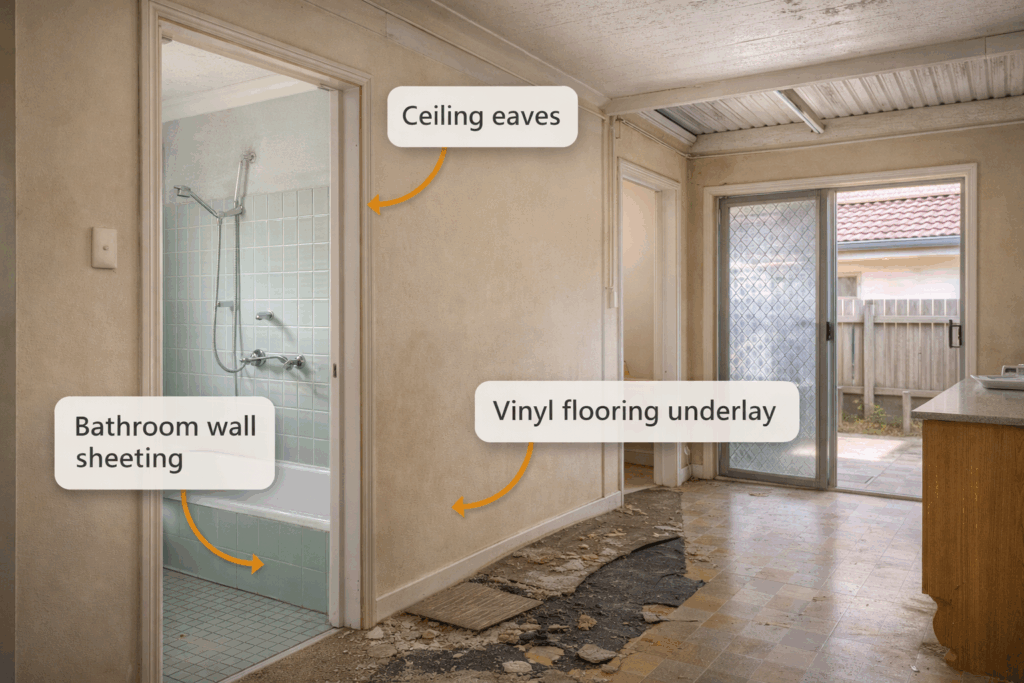
Homes built in Brisbane before asbestos bans were fully enforced commonly contain asbestos in multiple building materials. These materials may appear harmless until they are damaged, cut, or degraded by time and climate.
The most common asbestos hotspots include:
Because asbestos fibres are microscopic, contamination is not always visible. A property inspected by trained professionals using proper sampling and lab analysis is the only reliable way to identify asbestos. Without expert testing services, renovation dust may already contain hazardous material before anyone realises the risk.
Because asbestos can be hidden throughout older homes, using a licensed removal service is the safest way to remove it correctly. Contact our experienced team at ICON Asbestos Removal today to get a clear quote and access reliable asbestos removal services designed to support your project from start to finish.
How Brisbane’s Heat and Humidity Cause Asbestos to Deteriorate Faster
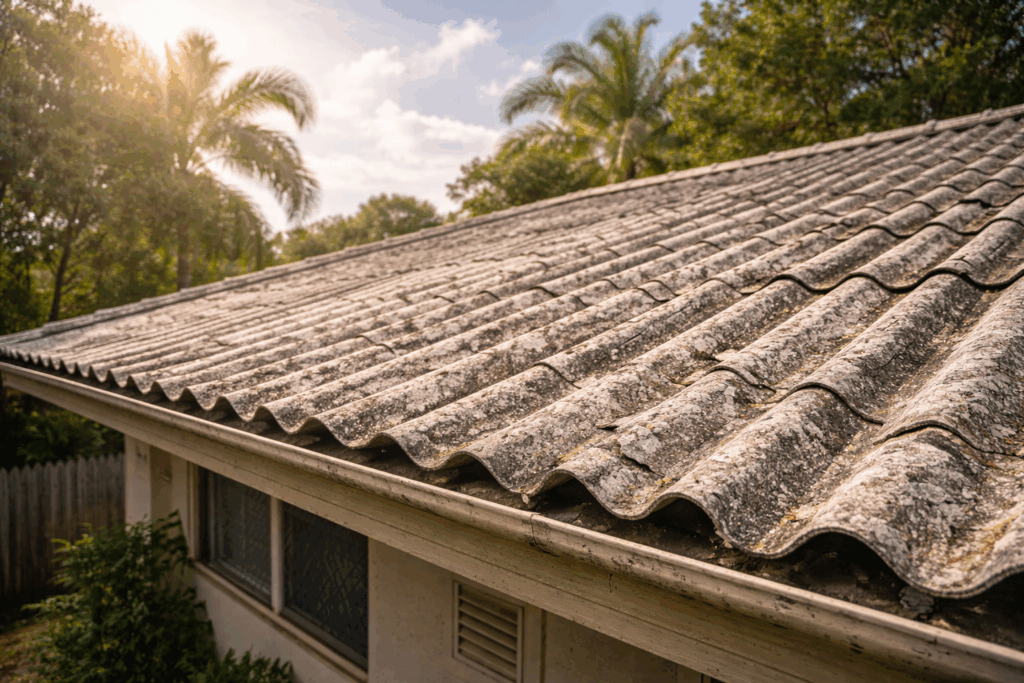
Brisbane’s subtropical climate plays a significant role in asbestos deterioration. Heat causes repeated expansion and contraction of cement-based materials, while humidity introduces moisture that weakens the bonding that holds fibres in place. Over time, asbestos cement becomes brittle, cracked, and prone to surface erosion.
Roofing and external materials are particularly vulnerable. Decades of sun exposure, rainfall, and temperature changes can cause asbestos roofing to shed fibres onto soil and surrounding areas. Internal materials are also affected, especially in wet areas where moisture builds up behind walls and flooring. This deterioration means asbestos risk exists even before renovation work begins, and renovation activity simply accelerates fibre release.
Why “Cosmetic” and DIY Renovations Are the Biggest Asbestos Risk
Cosmetic renovations are often viewed as safe because they appear minor. In reality, these projects are among the highest risk for asbestos exposure. Sanding walls, drilling holes, removing old flooring, or stripping surfaces can all release asbestos fibres if asbestos-containing materials are present.
DIY renovations increase risk further because homeowners are rarely trained in asbestos identification, containment, removal, or safe disposal. Improper asbestos removal can contaminate the entire property, require emergency remediation services, and significantly increase costs. Health and safety regulations in Queensland exist to protect people, but they rely on early identification and compliance.
The risk is not limited to the person performing the work. Airborne fibres can affect family members, neighbours, contractors, and even future occupants of the property if asbestos waste and dust are not properly managed.
Because even small DIY tasks can disturb hidden asbestos, relying on a licensed removal service is essential before cosmetic work begins. A licensed team can remove asbestos correctly using approved removal services, helping you avoid costly mistakes and escalation. Contact the experts at ICON Asbestos Removal today to get clear advice, get a free quote, and choose a trusted service designed for safe asbestos removal.
What Brisbane Homeowners Are Legally Required to Do Before Renovating
Before renovation work begins, Brisbane homeowners have legal responsibilities designed to prevent asbestos exposure. These obligations exist under Queensland Government regulations and are enforced by Health and Safety Queensland.
Homeowners must ensure that asbestos risks are identified and managed before any work or service starts. This includes arranging inspection and testing when asbestos is suspected, engaging a team of licensed contractors where required, and ensuring asbestos waste is safely disposed of at approved council facilities. Failure to comply can result in fines, work stoppages, and liability for contamination or health impacts.
Professional asbestos removal Brisbane residents trust can help homeowners meet these legal obligations while minimising disruption and cost.
How to Identify and Test for Asbestos Before Renovation Dust Spreads
Identifying asbestos early is the most effective way to reduce risk, control costs, and protect health. Visual inspection alone is not reliable, as many asbestos materials resemble modern products.
A safe and effective approach follows a clear process:
- 1
Arrange a professional inspection and asbestos testing service before any renovation work begins
- 2
Conduct sampling and laboratory analysis to confirm the presence and type of asbestos
- 3
Develop a management or removal plan that complies with regulations and ensures safe disposal
Once asbestos is confirmed, a team of licensed professionals can safely remove, encapsulate, or manage the material depending on its condition and the scope of the renovation. This approach prevents contamination, avoids emergencies, and ensures the property remains safe for occupants and workers. Contact ICON Asbestos Removal today and receive a free quote!
A Simple Three-Step Approach to Renovating Safely
Renovating an older Brisbane home does not need to be risky or overwhelming. A structured approach helps homeowners move forward with confidence.
Step one: Inspection, testing, and risk assessment
Step two: Focus on planning removal, remediation, or encapsulation as needed
Step three: ensures safe removal, decontamination, disposal, and final clearance
Following this approach ensures safety, compliance, and long-term protection of both safety and property value. Contact ICON Asbestos Removal and get a free, detailed quote.
Why Professional Asbestos Services Matter
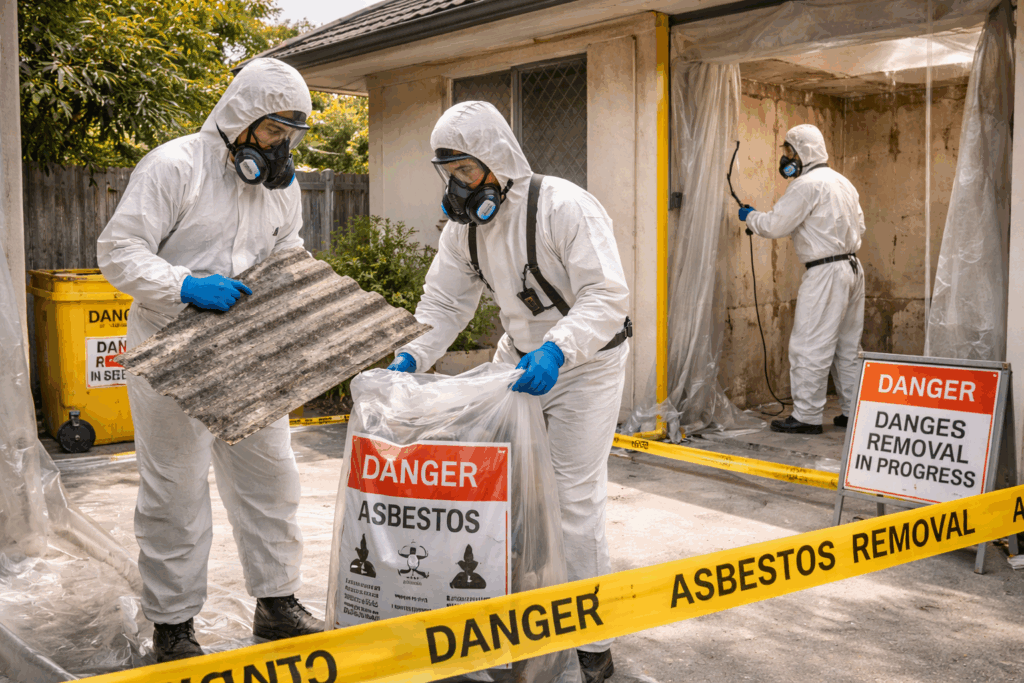
Professional asbestos services provide more than removal. They offer expertise, regulatory knowledge, proper equipment, and controlled processes that protect people and the environment. Fully licensed teams understand the difference between bonded and friable asbestos, know how to contain dust, manage waste, and complete jobs efficiently and safely.
Attempting to manage asbestos removal without professional support often leads to higher costs, prolonged disruption, and increased safety risks. Early consultation and testing are always more affordable than emergency remediation after contamination has occurred.
Turning Renovation Plans into Safer Outcomes for Brisbane Homes
Renovation trends across Brisbane are increasing asbestos exposure risks, not because homeowners are careless, but because asbestos remains hidden in many older homes. Awareness, early testing, and professional asbestos removal support are the most effective ways to protect health, meet legal obligations, and complete renovations safely.
If you are planning renovations on a Brisbane property built before 1990, taking action early can prevent serious problems later. Contact ICON Asbestos Removal to request a free consultation and quote, arrange professional testing, and get clear advice tailored to your property and renovation plans. A safer home starts with informed decisions and the right expertise.